How Spin Studio Sound Design Shapes the Member Experience
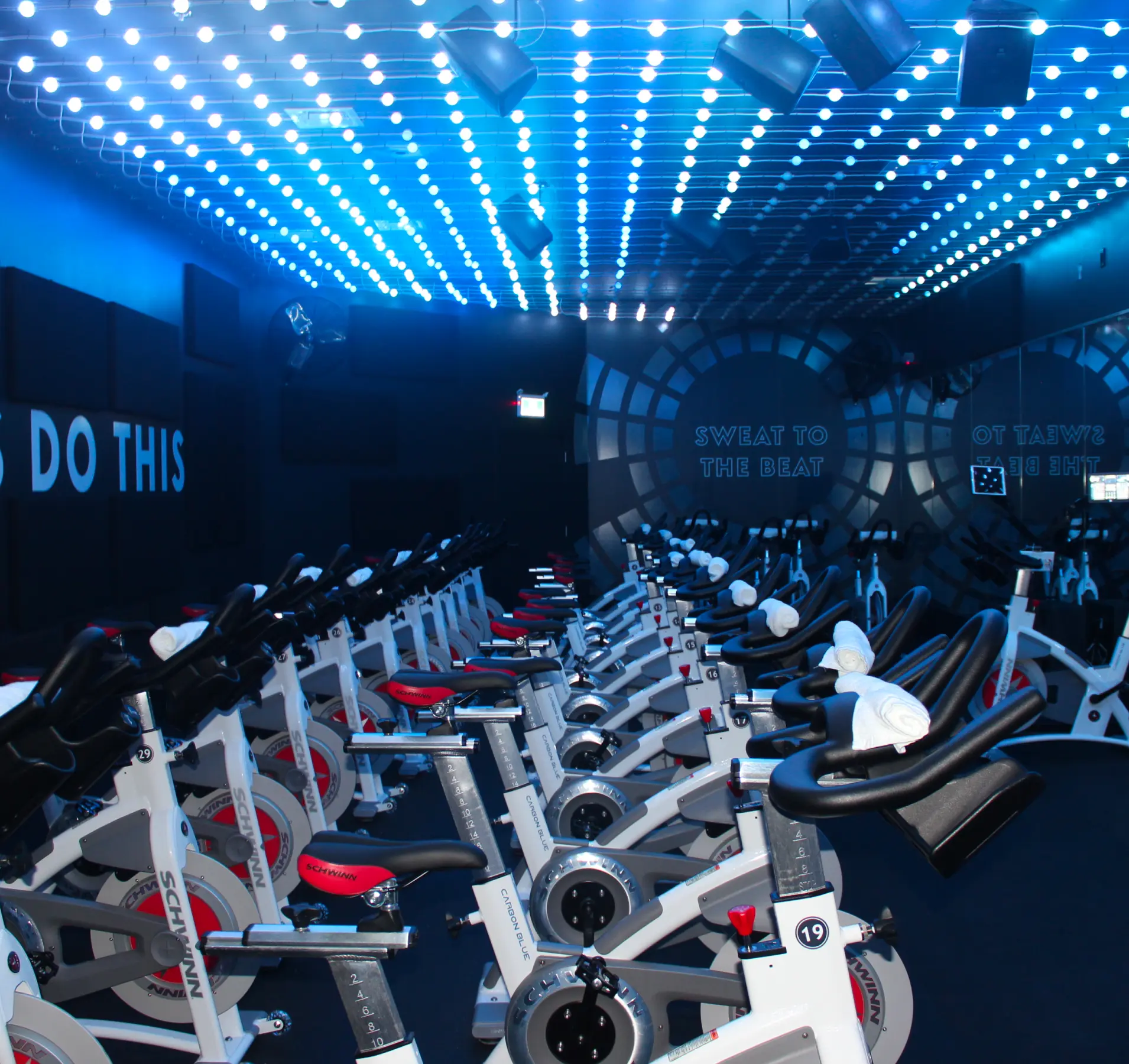
Music is not a decorative layer in an indoor cycling studio. It provides rhythm, supports intensity and helps organise the emotional progression of the class.
For businesses offering spinning classes, sound design affects whether participants can follow instructions, feel immersed and remain comfortable. Expensive speakers alone do not create good sound. The room, equipment placement, volume control and microphone system must work together.
Sound Has Two Jobs
A cycling studio needs to deliver both music and coaching.
Music should provide a clear beat and enough energy to support the ride. The instructor’s voice must remain understandable over that music.
When one overpowers the other, the class suffers.
If the microphone is too quiet, participants miss cadence and resistance instructions. If the music is too quiet, the room loses rhythm and atmosphere.
Sound design must balance both rather than maximising either one.
Room Shape Changes Audio
Hard walls, mirrors, ceilings and floors reflect sound.
These reflections can create echo and reduce speech clarity. A room may feel loud while instructions remain difficult to understand.
Acoustic treatment can help control unwanted reflections. It does not need to make the studio silent.
The objective is to preserve musical energy while making the instructor intelligible throughout the room.
Speaker Placement Creates Uneven Experiences
A rider directly beneath a speaker may experience excessive volume. Someone in the back corner may hear weak music and delayed cues.
Speaker design should consider:
- Room dimensions
- Bike layout
- Instructor location
- Ceiling height
- Reflective surfaces
- Fan and ventilation noise
Studios should test sound from multiple bikes, not only from the instructor platform.
The member experience is defined by occupied positions.
Microphone Quality Is Critical
An instructor may provide excellent coaching and still sound unclear through a poor microphone.
Headset microphones need stable positioning and protection from sweat. Wireless systems should resist interference and maintain reliable battery life.
The microphone should reproduce speech naturally without sharp, tiring frequencies.
Staff also need consistent procedures for cleaning and charging equipment between sessions.
Volume Is Not the Same as Energy
Louder music may create an immediate sense of intensity, but excessive volume can become uncomfortable and reduce cue clarity.
Participants should not have to choose between joining the class and protecting their hearing.
Studios should establish responsible volume limits and check them with suitable measuring equipment. Instructor preference alone is not enough.
Different music tracks may also have different loudness levels, so a fixed dial position does not guarantee consistency.
Bass Should Support, Not Overwhelm
Low frequencies create physical impact and can make the ride feel immersive.
Too much bass can mask speech and create an uneven experience across the room. Corners may accumulate strong low-frequency energy while other positions feel balanced.
Careful equalisation and speaker placement are more effective than simply increasing bass.
The goal is a powerful beat that remains clear.
Sound Latency Disrupts Timing
Digital mixers, wireless connections and networked speakers can introduce delay.
If participants hear the instructor’s voice or music later than expected, movement begins feeling disconnected.
This is especially disruptive during rapid cadence changes.
The studio should test the complete signal chain under real class conditions. A system that works in an empty room may behave differently when wireless devices and other equipment are active.
Sound Design Influences Brand Positioning
Members may not describe the room in technical terms, but they notice whether it feels polished.
Clear sound can make the class feel organised and premium. Distortion, sudden volume changes and unreliable microphones make the experience feel improvised.
Sound becomes part of the studio’s identity.
A business investing in lighting, bikes and interior design should not treat audio as an afterthought.
Instructor Training Matters
Instructors need to understand basic sound operation.
They should know how to:
- Position the microphone
- Balance voice and music
- Identify distortion
- Use a backup source
- Report faults
- Avoid unsafe volume changes
The system should be simple enough that coaching remains the main responsibility.
Complicated controls increase the chance of class delays and inconsistent settings.
Accessibility and Sensory Comfort
Not every participant enjoys loud, highly immersive sound.
Some members may have hearing sensitivity, migraines or sensory-processing concerns. Studios can communicate the expected environment and identify lower-intensity or lower-volume sessions where available.
Ear protection may help some participants, but it can also reduce instruction clarity.
Inclusive design starts by acknowledging that one sound environment does not suit everyone.
Maintenance Protects Consistency
Audio systems require ongoing maintenance.
Loose cables, worn microphone connectors and ageing batteries can create intermittent failures that are difficult to reproduce.
Studios should maintain fault logs and remove unreliable equipment until repairs are verified.
Software and firmware updates should be tested before being deployed across live class systems.
Member Feedback Needs Specific Questions
Asking whether members liked the music combines several issues.
Better feedback separates:
- Song selection
- Music volume
- Voice clarity
- Echo
- Bass balance
- Technical interruptions
This gives the business information it can act upon.
A rider may love the playlist while finding the microphone painfully sharp.
Integrating Sound With the Wider Facility
Facilities such as True Fitness Singapore may operate cycling studios near other training areas.
Sound isolation helps prevent one class from overwhelming nearby spaces. Doors, walls and ventilation openings can transmit music beyond the studio.
The objective is an immersive room that respects the wider member environment.
Great Sound Supports Coaching
A successful sound system makes the instructor easier to follow and the music more engaging without drawing attention to technical problems.
Members should not leave discussing microphone dropouts or painful volume.
They should remember the class flow, coaching and effort.
Sound design shapes that experience from the first warm-up beat to the final recovery track.
Frequently Asked Questions
Why can music feel loud while the instructor remains unclear?
Echo, poor microphone balance and competing frequencies can reduce speech clarity even at high volume.
Should every bike receive the same sound level?
Ideally, the experience should be reasonably consistent, although room acoustics make perfect uniformity difficult.
Can Bluetooth cause sound delay?
Yes. Wireless connections can introduce latency or instability, especially in complex audio systems.
How should studios measure sound quality?
Use sound-level measurements, room testing and specific member feedback from different bike positions.
Does louder music improve workout performance?
Not automatically. Appropriate music can motivate, but excessive volume may reduce comfort and communication.


