Industrial Automation Beyond Cost Reduction
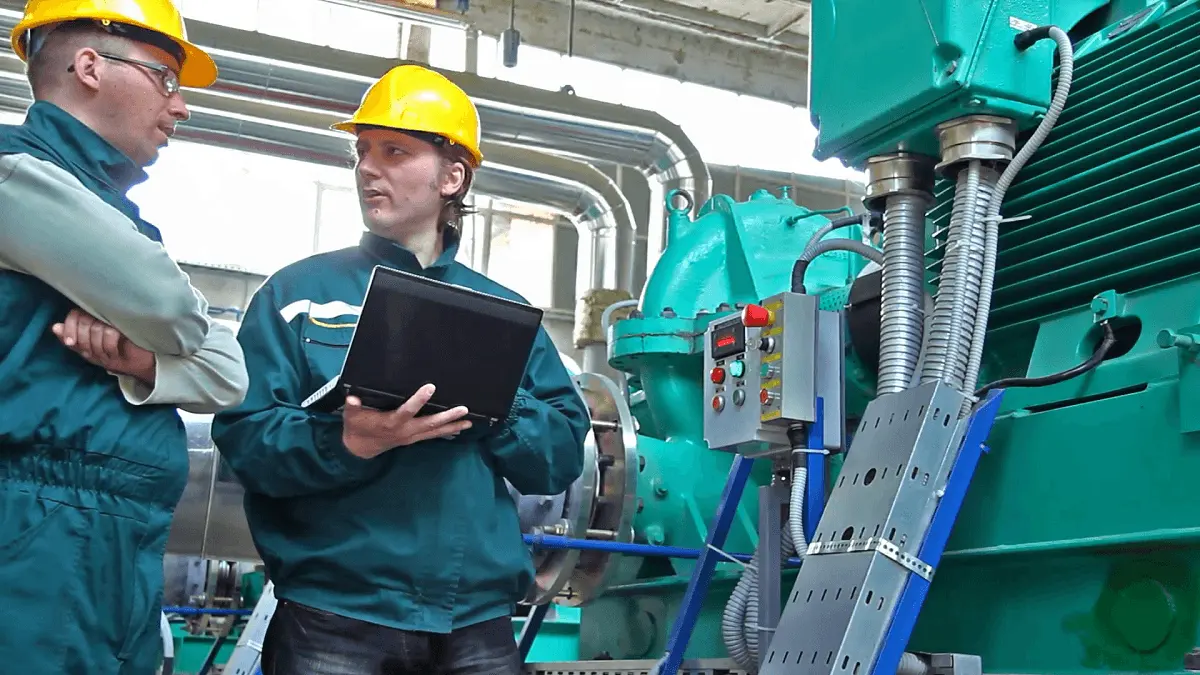
Industrial automation is often framed as a strategy for lowering labor costs and improving operational efficiency. While automation certainly delivers measurable savings, its true strategic value extends far beyond expense control. Modern automation enables manufacturers to improve quality consistency, strengthen production agility, increase workforce safety, accelerate innovation cycles, and build resilient supply networks.
Organizations that view automation only through a cost-reduction lens miss its potential as a structural capability that supports long-term competitiveness. Industrial automation today functions as an operational intelligence layer that reshapes how factories adapt, scale, and respond to market expectations.
Automation is no longer simply about replacing manual activity. It is about enabling smarter production ecosystems.
Understanding the Modern Scope of Industrial Automation
Industrial automation refers to the use of control systems, robotics, software platforms, sensors, and data infrastructure to manage manufacturing operations with minimal manual intervention. In contemporary production environments, automation extends beyond isolated machines and influences entire workflow networks.
Modern automation systems typically integrate:
- robotic assembly units
- programmable logic controllers
- sensor-driven monitoring systems
- industrial connectivity platforms
- manufacturing execution systems
- analytics-enabled decision tools
These technologies coordinate production activities across multiple operational layers.
Automation has evolved from a mechanical replacement strategy into a digital coordination framework that improves how factories operate as unified systems.
Why Automation Should Not Be Evaluated Only by Labor Savings
Early automation adoption often focused on reducing workforce requirements. While this benefit still exists, evaluating automation primarily through labor metrics limits strategic understanding.
Automation supports broader advantages such as:
- production accuracy improvement
- throughput stability
- defect reduction
- delivery reliability
- workplace safety enhancement
- operational transparency
Organizations that recognize these outcomes position automation as a performance multiplier rather than a budget adjustment tool.
This shift expands automation’s role within long-term manufacturing strategy.
Improving Product Quality Through Precision Automation
Consistency is one of automation’s most powerful advantages. Manual processes often introduce variability that affects product reliability.
Automated systems improve quality by:
- maintaining consistent motion accuracy
- applying controlled torque levels
- executing repeatable assembly sequences
- monitoring environmental conditions
- detecting anomalies during production
These capabilities reduce variation across production batches.
Improved consistency strengthens customer trust and supports compliance requirements in regulated industries.
Quality-driven automation creates competitive differentiation.
Enabling Production Agility in Changing Market Conditions
Modern markets require manufacturers to respond quickly to shifting demand patterns, customization expectations, and product lifecycle compression.
Automation improves agility by enabling:
- flexible production scheduling
- modular workflow configuration
- faster changeover procedures
- adaptive batch sizing capability
- synchronized equipment coordination
Flexible automation allows organizations to adjust production strategies without rebuilding entire workflows.
Agility improves responsiveness.
Responsiveness strengthens market positioning.
Supporting Workforce Safety Through Intelligent Systems
Industrial safety remains a critical priority across manufacturing sectors. Automation reduces exposure to hazardous conditions while improving monitoring accuracy across production environments.
Safety improvements supported by automation include:
- reduced manual handling of heavy materials
- minimized exposure to high-temperature environments
- safer operation near high-speed machinery
- improved monitoring of chemical handling processes
- automated emergency shutdown coordination
Collaborative robots further enhance safety by operating alongside workers while responding to environmental changes in real time.
Safer workplaces support workforce retention and operational continuity.
Increasing Throughput Stability Across Production Lines
Production variability often creates scheduling disruptions that affect delivery reliability and customer satisfaction.
Automation improves throughput stability by:
- synchronizing machine coordination
- reducing manual process delays
- improving cycle time consistency
- supporting continuous monitoring of performance metrics
- identifying early signs of equipment misalignment
Stable throughput enables manufacturers to meet commitments more reliably.
Reliability strengthens supply chain partnerships.
Strengthening Data Visibility Across Manufacturing Operations
One of the most important contributions of modern automation systems is improved operational visibility.
Automation platforms collect performance signals across production environments, including:
- cycle time measurements
- equipment utilization rates
- energy consumption patterns
- quality inspection results
- maintenance indicators
These signals support data-informed decision-making.
Manufacturers gain the ability to respond earlier to performance deviations.
Visibility improves operational coordination.
Supporting Predictive Maintenance Through Automated Monitoring
Automation systems generate continuous performance signals that support predictive maintenance strategies.
Predictive maintenance enables manufacturers to:
- detect early equipment degradation
- schedule maintenance interventions efficiently
- extend asset lifespan
- reduce unexpected downtime frequency
- improve spare parts planning accuracy
Maintenance intelligence improves operational reliability.
Reliability supports production continuity.
Continuity strengthens customer relationships.
Enhancing Customization Capabilities Without Sacrificing Efficiency
Customization expectations are increasing across manufacturing sectors. Traditional production systems struggled to balance customization with efficiency.
Automation improves customization capability through:
- programmable assembly sequences
- flexible material handling systems
- software-defined production adjustments
- adaptive inspection workflows
- synchronized product variation tracking
Manufacturers can deliver tailored products without compromising throughput stability.
Customization strengthens competitive positioning in specialized markets.
Improving Energy Efficiency Through Automated Coordination
Energy consumption represents a major operational expense in industrial environments. Automation improves energy efficiency by aligning equipment behavior with production requirements.
Energy optimization supported by automation includes:
- load balancing across equipment networks
- idle-time reduction strategies
- real-time monitoring of consumption patterns
- environmental condition adjustments
- coordinated machine start-up scheduling
Energy-aware operations support both sustainability objectives and cost control priorities.
Efficiency strengthens long-term operational resilience.
Enabling Real-Time Decision Support Across Production Environments
Automation platforms provide continuous insight into production performance.
Real-time decision environments enable manufacturers to:
- identify bottlenecks quickly
- adjust production schedules dynamically
- coordinate workforce deployment efficiently
- align maintenance planning with workflow priorities
- improve material flow coordination
Faster decision cycles improve execution consistency.
Consistency strengthens operational reliability.
Supporting Scalable Manufacturing Infrastructure
Manufacturers planning long-term expansion must ensure their infrastructure supports increased production demand without creating coordination complexity.
Automation supports scalability through:
- modular equipment integration
- centralized monitoring platforms
- standardized workflow frameworks
- repeatable deployment architectures
- cross-facility coordination capability
Scalable infrastructure improves growth readiness.
Growth readiness strengthens competitiveness.
Strengthening Supply Chain Integration Through Automated Systems
Automation improves coordination between manufacturing operations and supply chain partners.
Integrated automation systems support:
- accurate production forecasting
- synchronized inventory replenishment
- shipment preparation coordination
- supplier communication alignment
- logistics scheduling accuracy
Supply chain visibility improves responsiveness to disruption.
Responsiveness strengthens operational continuity.
Accelerating Innovation Through Automation-Enabled Experimentation
Automation platforms create environments where manufacturers can test production adjustments with minimal disruption.
Experimentation supported by automation includes:
- pilot workflow adjustments
- simulation-driven configuration testing
- performance comparison across production methods
- process optimization trials
- equipment calibration experimentation
Structured experimentation improves innovation speed.
Innovation strengthens market adaptability.
Supporting Compliance and Traceability Requirements
Many manufacturing sectors operate under strict regulatory expectations related to safety, documentation, and product traceability.
Automation improves compliance readiness by enabling:
- digital production records
- real-time inspection tracking
- component traceability monitoring
- environmental condition documentation
- standardized reporting frameworks
Traceability strengthens customer confidence.
Compliance readiness reduces operational risk.
Preparing Organizations for Future Manufacturing Environments
Industrial automation continues evolving alongside advances in connectivity, analytics platforms, and robotics coordination frameworks.
Future-ready automation strategies emphasize:
- integrated sensor ecosystems
- predictive analytics coordination
- collaborative robotics deployment
- cloud-enabled monitoring environments
- cross-site performance visibility systems
Manufacturers that invest in automation today strengthen their ability to adapt to tomorrow’s operational expectations.
Automation becomes a foundation for long-term transformation rather than a one-time upgrade.
Conclusion
Industrial automation has moved far beyond its early role as a labor cost reduction strategy. Today it functions as a structural capability that improves quality consistency, strengthens safety performance, enhances customization readiness, supports predictive maintenance, increases visibility, and enables scalable manufacturing environments.
Organizations that treat automation as a strategic infrastructure investment rather than a narrow efficiency tool position themselves for sustained operational growth. As manufacturing complexity continues increasing across global markets, automation will remain a central driver of adaptability and resilience.
Automation does not simply reduce costs. It strengthens how manufacturing systems perform.
FAQ Section
How does industrial automation influence workforce roles in modern factories
Automation shifts workforce responsibilities toward supervision, optimization, maintenance coordination, and analytics interpretation rather than eliminating human involvement entirely.
Can automation benefit smaller manufacturing facilities
Yes. Modular automation systems allow smaller facilities to adopt targeted improvements that strengthen productivity without requiring large-scale infrastructure redesign.
What industries gain the most value from advanced automation systems
Industries such as automotive manufacturing, electronics production, pharmaceuticals, aerospace components, and food processing benefit significantly from automation-driven coordination improvements.
How does automation support product lifecycle management
Automation platforms enable faster design adjustments, controlled production transitions, and improved traceability across lifecycle stages from prototype to large-scale deployment.
Is automation compatible with sustainability initiatives in manufacturing
Automation improves sustainability performance by optimizing energy usage, reducing material waste, and improving production accuracy across workflow stages.
What role do collaborative robots play in automation strategies
Collaborative robots support flexible task execution alongside human workers, improving safety, precision, and adaptability in mixed-production environments.
How should organizations prepare employees for automation adoption
Preparation includes skills training programs, workflow transparency initiatives, cross-functional collaboration frameworks, and communication strategies that clarify how automation supports workforce productivity rather than replacing it.


