What Hatha Yoga Can Add to Leadership Retreats Beyond Relaxation
Leadership retreats often combine strategic discussions, presentations and social activities. Even when the venue changes, participants may spend most of the day seated, processing information and performing familiar workplace roles. A movement session can interrupt that pattern, but its value depends on how it is framed.
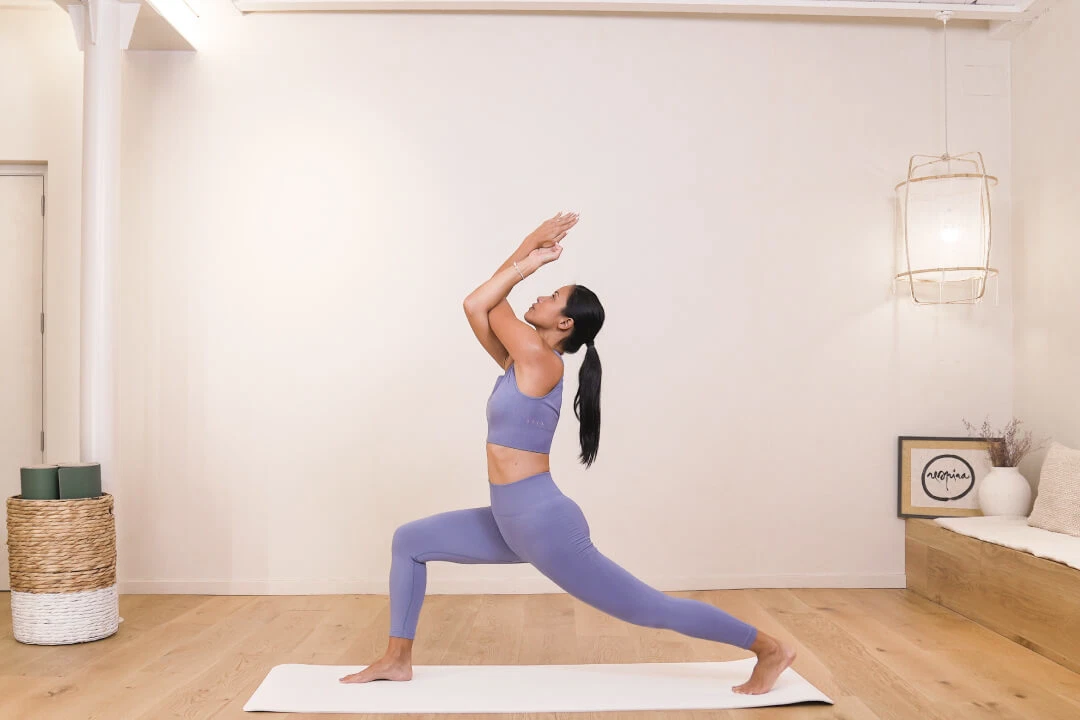
Including hatha yoga in a leadership retreat can create a structured experience of pacing, attention and self-regulation. It should not be presented as a cure for organisational problems or a test of executive resilience. When participation is voluntary and the session is designed for mixed abilities, the practice can support the retreat without becoming a corporate performance.
A Physical Pause Changes the Quality of Attention
Long planning sessions create cognitive fatigue. Participants may continue looking engaged while their ability to absorb detail and consider alternatives declines.
A measured movement session gives attention a different task. Following posture, balance and breathing cues temporarily interrupts email, debate and presentation mode. This shift can help people return to discussion with a clearer sense of their energy, although it does not guarantee better decisions.
Slow Practice Makes Pacing Visible
Leaders are frequently rewarded for speed. A Hatha-based session asks participants to enter a position deliberately, remain long enough to notice effort and exit with control.
That experience can make pacing tangible without turning the class into a lecture about leadership. Participants encounter the difference between moving decisively and moving hurriedly. The facilitator does not need to attach a management slogan to every posture.
Self-Regulation Is More Useful Than Endurance Theatre
An appropriate session offers several versions of a movement. Participants decide whether to reduce range, use support or rest.
This models self-regulation, but only when the easier option is genuinely respected. If senior leaders praise those who hold longest or attempt the deepest shape, the session becomes another environment for impression management.
Beginner Status Can Temporarily Reset Hierarchy
In the workplace, titles and expertise are visible. During an unfamiliar practice, a junior manager may balance easily while a senior executive needs a wall.
This can introduce humility and humour, but organisers should not exaggerate the role reversal. Physical ability has no connection to leadership value. The aim is to create a shared learning environment, not a new ranking system.
Stillness Reveals the Urge to Act
Strategic roles involve constant decisions and responses. Holding a straightforward posture can make the urge to adjust, compete or finish early more noticeable.
This does not mean stillness automatically produces insight. It simply provides a safe context in which participants can observe their response to manageable discomfort and uncertainty. Any reflection should remain optional and grounded rather than psychologically intrusive.
Clear Instructions Support Better Listening
Movement sessions require people to listen to sequence, direction and safety cues. Acting before the instruction is complete can make a posture confusing.
The practice therefore creates an immediate reason to pause and clarify. That behaviour has workplace relevance, but it is better experienced than announced repeatedly. A short debrief can ask what participants noticed without demanding a business lesson from every person.
Physical Variation Can Improve Retreat Design
A retreat schedule often alternates presentations with meals, leaving little movement variety. Hatha practice introduces standing, reaching, weight shifting and floor-based positions.
The session should be timed so participants are not practising immediately after a heavy meal or rushing directly into a formal meeting. Changing facilities, travel within the venue and hydration need to be included in the programme.
Accessibility Must Be Planned in Advance
Not every participant can or wants to practise on a mat. Joint conditions, disability, pregnancy, recent surgery, religious considerations and private health concerns may affect participation.
Organisers should ask the provider about chair-based and standing alternatives, step-free access and the possibility of observing without pressure. People should not have to disclose a diagnosis to colleagues to receive a suitable option.
Participation Should Be Genuinely Voluntary
Senior attendance can make an optional activity feel compulsory. If the chief executive joins, employees may worry that declining will be interpreted as poor engagement.
The invitation should state clearly that non-participation has no professional consequence. An alternative activity should be worthwhile rather than a visibly inferior waiting area. Choice is essential to psychological safety.
Clothing Guidance Protects Dignity
Leadership retreats are not always planned around exercise clothing. Participants need advance notice about comfortable attire, changing space and whether the session can be completed in modest, loose-enough business-casual clothing.
No one should be photographed in a posture without specific consent. Agreement to appear in a retreat group photograph does not automatically include permission for exercise images to be circulated internally or online.
The Instructor Should Understand the Group
A corporate group may include regular practitioners and complete beginners. The instructor needs accurate information about numbers, room setup, available props and session duration.
The class should not be made more difficult to impress senior participants. Clear transitions, stable standing postures and accessible floor work can provide a substantial experience without advanced balances or extreme flexibility.
The Room Influences Whether the Session Works
A conference room may appear large until tables and chairs are moved. Each participant needs sufficient space to extend the arms and change position without colliding.
Floor condition, ventilation, temperature and privacy matter. A room with glass walls facing colleagues or hotel traffic may make participants uncomfortable. Proper planning prevents the activity from feeling improvised.
Health Information Requires Privacy
The provider may issue general suitability guidance and invite participants to raise concerns privately. The employer should not collect detailed medical information unless there is a legitimate and properly managed reason.
Leaders should not ask colleagues why they are modifying a pose. A participant may be following medical guidance that they have no obligation to explain publicly.
A Yoga Session Cannot Repair Poor Culture
Movement does not resolve unclear roles, unmanageable workloads, bullying or distrust. Using wellness activities to avoid those problems can increase cynicism.
The session has greater credibility when the retreat also addresses organisational realities. Yoga may support attention and recovery within the day, but leadership must still act on structural concerns through appropriate policies and decisions.
Avoid Turning Wellbeing into Measurement
Retreat organisers often seek data to justify every activity. Attendance, flexibility or pose duration are poor measures of leadership benefit.
Feedback can focus on whether the session felt accessible, well instructed and appropriately placed in the schedule. Participants should not be asked to share health data or emotional disclosures to prove the activity was effective.
Reflection Works Best When It Is Lightly Held
A brief voluntary discussion after practice may explore pacing, response to challenge or the experience of using modifications. The facilitator should avoid suggesting that one movement pattern reveals a person’s leadership character.
Physical behaviour is context-dependent. Wobbling in a balance may reflect fatigue, previous injury or simple unfamiliarity. It is not evidence of indecision or poor confidence at work.
Choose a Session That Serves the Retreat
When planning with Yoga Edition, organisers can discuss participant experience, room constraints, accessibility, timing and the desired energy of the wider programme. These details help the teacher build a session that complements rather than dominates the retreat.
Hatha practice adds value when it creates a thoughtful change of pace. Participants can experience attention, choice and controlled effort without being forced to turn the class into a leadership metaphor. That restraint often makes the session more credible.
Frequently Asked Questions
Is Hatha yoga suitable for a mixed-ability leadership group?
It can be when the instructor offers standing, supported and chair-based options. The group’s needs and venue should be discussed in advance.
Should the session be compulsory?
No. Participation should be voluntary, with a meaningful alternative and no professional disadvantage for declining.
How long should a retreat yoga session last?
The right duration depends on the timetable and group. Time must also be allowed for changing, setup, hydration and returning to meetings.
Can participants wear business clothing?
Some gentle standing movements may be possible, but comfortable clothing is preferable. The provider should give specific guidance before the retreat.
Should the company photograph the class?
Only with explicit consent for the particular use. Retreat attendance does not automatically grant permission for exercise photographs.
Can yoga solve workplace stress?
It may support short-term regulation and movement, but it cannot correct excessive workload, poor management or unhealthy organisational culture.