Why Boiler Performance Starts With The Fuel Specification
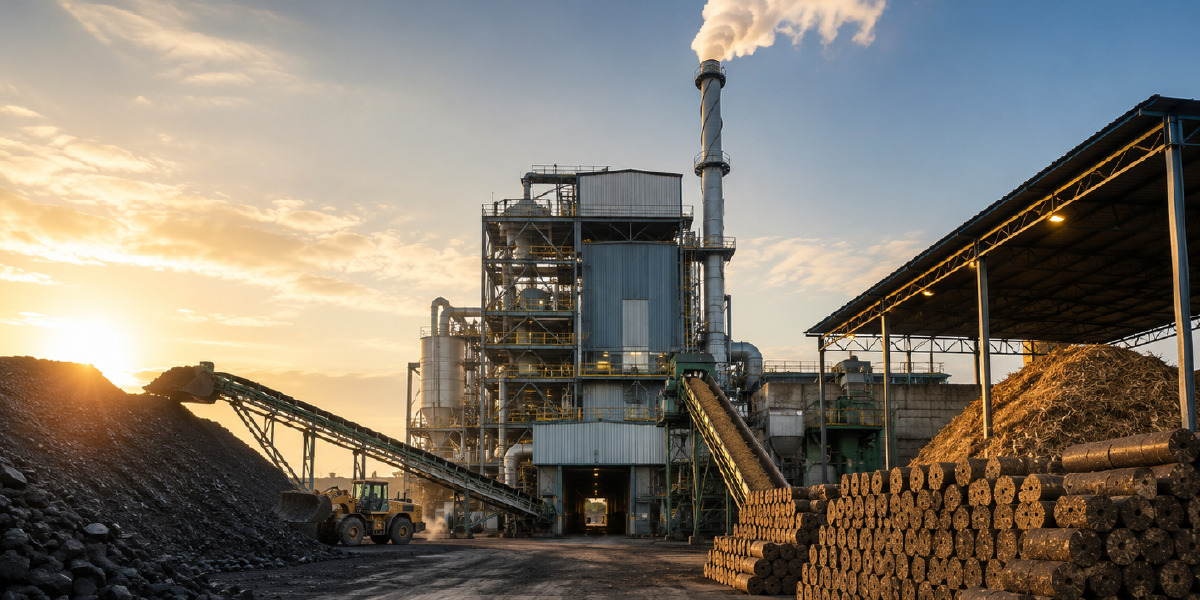
Biomass systems are often discussed in terms of boiler efficiency, but the equipment can only perform properly when the incoming fuel matches what the system was designed to handle. Companies comparing biomass boiler suppliers should therefore look closely at the relationship between boiler design, fuel specification, storage and feed systems before making an investment.
The Boiler And Fuel Need To Be Matched
Biomass can take several forms, including pellets, wood chips and agricultural residues. These fuels differ in moisture, density, particle size and ash characteristics, which means a system designed for one type may not perform well with another.
A buyer should therefore decide which fuel is realistically available before finalising the boiler specification. Designing around a fuel that is difficult or expensive to obtain locally can create long-term operating problems, even if the boiler itself performs well.
The same applies in reverse. Choosing whatever fuel is cheapest at a particular moment can be risky if the boiler is not designed to handle it. Changes in particle size or moisture may affect combustion, feeding and ash production.
The strongest projects treat equipment and fuel as one system rather than two separate purchases.
Fuel Handling Deserves As Much Attention As Combustion
The boiler may be the centre of the energy system, but material still has to reach it reliably. Storage, conveyors, screws, hoppers and feeding equipment all need to suit the characteristics of the chosen biomass.
Poorly flowing material can bridge inside storage areas or create feed interruptions. Excess moisture can make handling more difficult, while excessive fines or inconsistent particle size can affect the system in other ways.
These issues can become labour-intensive if staff repeatedly need to clear blockages or intervene manually. This means a theoretically efficient boiler may still perform poorly as an overall installation if the fuel-handling system is weak.
When reviewing a proposal, buyers should examine the route from delivery vehicle to combustion chamber, not just the boiler specification.
Ash And Maintenance Need Realistic Planning
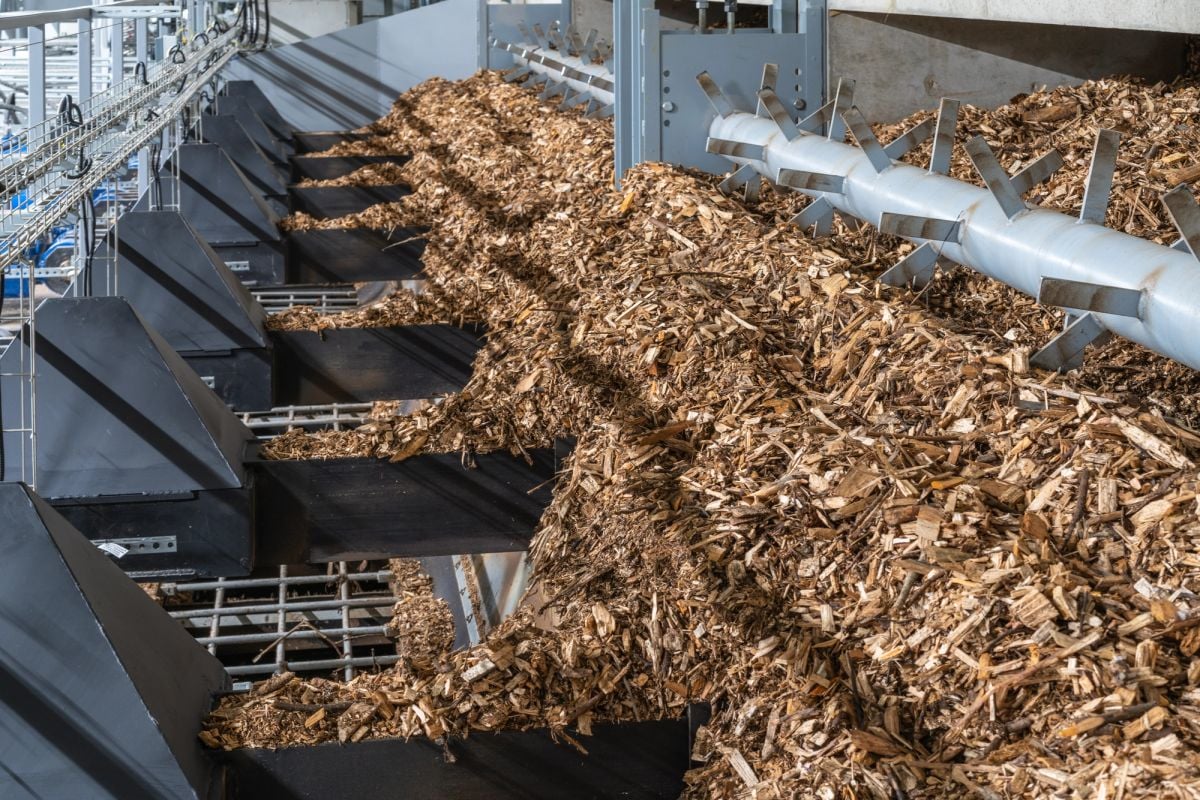
Every biomass fuel produces some form of residue, and the amount can vary considerably. Higher ash levels may increase cleaning requirements and affect how often operators need to remove and dispose of material.
Maintenance requirements should therefore be discussed before installation. How frequently will the boiler need cleaning? Which components require regular inspection? What happens when fuel quality varies? Are spare parts and technical support readily available?
These questions influence operating cost and staff workload. A system that appears highly efficient on the specification sheet may be less attractive if it requires frequent intervention to remain reliable.
Operators should also understand whether maintenance can be carried out without major production disruption.
The Business Case Needs To Use Real Operating Assumptions
A biomass project should be evaluated using realistic fuel prices, consumption, maintenance and utilisation rather than ideal figures. The system may provide strong economics at high operating hours but a weaker return if demand is intermittent.
Fuel availability should also be tested over the expected life of the equipment. An attractive local supply today may change as competing demand increases.
The most successful installations begin with a realistic understanding of both fuel and equipment. When boiler design, storage, feed systems and long-term fuel supply are considered together, businesses are far more likely to build an energy system that performs reliably outside the sales brochure.


