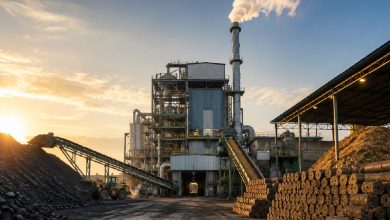
Smart Manufacturing Through Predictive Infrastructure

Manufacturing is undergoing a structural shift from reactive operations toward predictive decision environments. Traditional factories depended heavily on scheduled maintenance, manual inspection cycles, and fixed production planning assumptions. Today, predictive infrastructure is transforming how manufacturing systems anticipate disruption, optimize performance, and scale efficiently.
Smart manufacturing powered by predictive infrastructure allows organizations to move beyond monitoring toward forecasting. Instead of reacting to machine failures or supply interruptions after they occur, manufacturers can identify signals early and respond with precision. This shift improves uptime, strengthens production reliability, and supports long-term operational resilience.
Predictive infrastructure is not simply a technical upgrade. It is a strategic capability that reshapes how factories operate and compete.
Understanding Predictive Infrastructure in Manufacturing Environments
Predictive infrastructure refers to connected systems that continuously collect operational data, analyze patterns, and anticipate performance changes before they become disruptions. These systems combine sensors, analytics platforms, integration layers, and automation frameworks into a coordinated intelligence network across production environments.
Predictive infrastructure supports:
- equipment health forecasting
- process stability monitoring
- energy optimization planning
- inventory demand alignment
- workforce scheduling coordination
- supply chain risk detection
Instead of relying on periodic inspection cycles, manufacturers gain continuous operational visibility that strengthens decision accuracy.
This visibility transforms factories into adaptive production ecosystems.
Why Reactive Manufacturing Models Limit Growth
Traditional manufacturing environments often depend on reactive maintenance and fixed production assumptions. While these models function adequately in stable conditions, they create inefficiencies when production complexity increases.
Reactive models typically produce:
- unexpected downtime events
- delayed maintenance interventions
- inconsistent production output
- inventory misalignment
- inefficient energy usage
- unpredictable delivery performance
Predictive infrastructure replaces uncertainty with foresight.
Manufacturers gain the ability to anticipate operational stress points before they affect production continuity.
The Role of Industrial Sensors in Predictive Systems
Sensors form the foundation of predictive manufacturing infrastructure. They capture continuous operational signals from equipment and production environments.
Common sensor monitoring categories include:
- vibration behavior
- temperature variation
- pressure stability
- motor performance
- electrical consumption
- humidity levels
These signals create early indicators of potential equipment degradation.
When integrated with analytics platforms, sensor data enables manufacturers to transition from maintenance scheduling based on time intervals to maintenance scheduling based on actual equipment condition.
Condition-aware maintenance improves reliability and reduces unnecessary intervention costs.
Predictive Maintenance as a Core Infrastructure Capability
Predictive maintenance represents one of the most valuable applications of predictive infrastructure in smart manufacturing environments.
Unlike preventive maintenance, which follows fixed schedules, predictive maintenance responds to real-time performance indicators.
Predictive maintenance enables manufacturers to:
- detect equipment anomalies early
- reduce unexpected shutdown frequency
- extend asset lifespan
- optimize technician allocation
- improve spare parts planning
- stabilize production timelines
These improvements contribute directly to operational scalability.
Stable production environments support stronger customer commitments and better delivery predictability.
Digital Twins Strengthen Operational Forecasting
Digital twin technology enhances predictive infrastructure by creating virtual representations of physical production systems. These models simulate machine behavior, workflow interactions, and environmental conditions using live operational data.
Digital twins help manufacturers:
- evaluate production adjustments safely
- simulate equipment performance changes
- test workflow improvements before deployment
- analyze bottleneck behavior
- optimize throughput planning
Simulation environments reduce experimentation risk.
Manufacturers can test decisions virtually before implementing them physically.
This capability strengthens confidence in operational changes.
Predictive Analytics Improves Production Planning Accuracy
Production planning often depends on assumptions about machine availability, workforce readiness, and material flow consistency. Predictive analytics replaces assumptions with data-driven forecasts.
Predictive planning supports:
- accurate downtime probability modeling
- demand-aligned scheduling adjustments
- throughput optimization strategies
- resource utilization forecasting
- workflow sequencing improvements
Improved planning accuracy reduces production variability.
Lower variability strengthens customer satisfaction and supply chain reliability.
Energy Optimization Through Predictive Infrastructure
Energy consumption represents a major operational expense in manufacturing environments. Predictive infrastructure allows manufacturers to monitor energy behavior continuously and identify optimization opportunities.
Predictive energy systems support:
- peak usage forecasting
- equipment efficiency monitoring
- load balancing adjustments
- environmental condition alignment
- sustainability performance tracking
Energy-aware production environments improve both cost efficiency and environmental performance.
Predictive visibility turns energy management into a strategic advantage rather than a compliance requirement.
Supply Chain Coordination Benefits From Predictive Signals
Manufacturing performance depends heavily on upstream and downstream coordination. Predictive infrastructure improves visibility beyond factory walls.
Predictive supply coordination enables:
- early identification of material shortages
- transportation delay anticipation
- supplier performance monitoring
- inventory level balancing
- production continuity protection
Manufacturers that integrate predictive signals into supply chain workflows strengthen resilience against disruption.
Stronger coordination supports more reliable production commitments.
Workforce Planning Gains Accuracy Through Predictive Insight
Workforce allocation becomes more effective when supported by predictive operational intelligence.
Predictive workforce coordination helps manufacturers:
- align staffing with expected production demand
- reduce idle labor intervals
- prepare teams for maintenance windows
- improve shift planning accuracy
- strengthen safety readiness
When workforce planning aligns with predictive signals, operational efficiency improves without increasing staffing complexity.
Human expertise becomes more strategically deployed.
Cloud Integration Enables Scalable Predictive Infrastructure
Modern predictive infrastructure depends on scalable computing environments capable of processing large volumes of machine-generated data.
Cloud-enabled predictive systems support:
- real-time analytics deployment
- cross-site performance visibility
- centralized monitoring dashboards
- flexible storage architecture
- integration across production facilities
Cloud integration ensures predictive infrastructure remains adaptable as manufacturing operations expand.
Scalability strengthens long-term infrastructure value.
Automation Becomes Smarter Through Predictive Inputs
Automation improves efficiency, but predictive infrastructure improves automation intelligence.
Predictive-enabled automation systems can:
- adjust workflows dynamically
- prevent equipment overload conditions
- optimize production sequencing
- coordinate maintenance timing
- respond to performance anomalies automatically
Automation guided by predictive insight improves both speed and reliability.
Manufacturers move closer to autonomous production coordination.
Data Integration Strengthens Factory-Wide Visibility
Predictive infrastructure requires coordination across multiple data sources.
Integrated visibility platforms combine:
- machine performance signals
- environmental monitoring inputs
- logistics coordination data
- workforce scheduling indicators
- maintenance activity timelines
Unified visibility strengthens decision-making accuracy.
Leaders gain a comprehensive understanding of operational performance across production environments.
This clarity improves responsiveness.
Cybersecurity Considerations in Predictive Manufacturing Systems
As predictive infrastructure expands connectivity across production environments, cybersecurity readiness becomes essential.
Manufacturers must ensure predictive environments include:
- secure device authentication frameworks
- encrypted communication protocols
- access control policies
- network segmentation strategies
- anomaly detection systems
Secure predictive infrastructure protects operational continuity.
Security readiness strengthens trust across production ecosystems.
Organizational Alignment Supports Predictive Infrastructure Adoption
Technology alone cannot transform manufacturing environments. Organizational alignment determines how effectively predictive systems influence operations.
Manufacturers strengthen adoption by:
- training teams on analytics interpretation
- integrating predictive insights into decision workflows
- aligning maintenance strategies with predictive signals
- coordinating production planning with forecasting tools
- encouraging cross-functional collaboration
Alignment ensures predictive intelligence becomes actionable rather than informational.
Actionable insight improves operational performance.
Measuring the Impact of Predictive Infrastructure Investments
Manufacturers implementing predictive infrastructure typically observe measurable improvements across multiple performance dimensions.
Common improvement indicators include:
- reduced equipment downtime frequency
- improved production throughput consistency
- lower maintenance costs
- stronger delivery reliability
- optimized inventory positioning
- improved energy utilization efficiency
Measurement ensures predictive infrastructure evolves alongside operational needs.
Continuous evaluation strengthens long-term performance benefits.
Building a Future-Ready Smart Manufacturing Environment
Predictive infrastructure supports more than maintenance optimization. It enables factories to transition toward adaptive production ecosystems capable of responding intelligently to changing demand conditions.
Future-ready predictive manufacturing environments emphasize:
- connected equipment ecosystems
- integrated analytics platforms
- automation coordination frameworks
- workforce alignment strategies
- supply chain visibility expansion
Manufacturers that invest in predictive infrastructure strengthen both operational stability and strategic flexibility.
Predictive capability transforms production environments into intelligent growth platforms.
Conclusion
Smart manufacturing through predictive infrastructure represents a shift from observation-based operations to intelligence-driven coordination. By combining sensors, analytics, automation systems, and integrated visibility platforms, manufacturers gain the ability to anticipate disruption rather than respond to it.
Predictive infrastructure improves equipment reliability, strengthens production planning accuracy, enhances workforce coordination, and supports supply chain resilience. Over time, these advantages compound into stronger scalability and competitive positioning.
Manufacturers that embrace predictive infrastructure today prepare their operations for tomorrow’s performance expectations.
FAQ Section
How does predictive infrastructure differ from traditional automation systems
Traditional automation executes predefined workflows, while predictive infrastructure analyzes performance signals continuously and adjusts decisions based on anticipated operational conditions.
Can small and mid-sized manufacturers implement predictive infrastructure effectively
Yes. Modular sensor deployments and cloud-based analytics platforms allow smaller manufacturers to adopt predictive capabilities without requiring large-scale infrastructure investments.
What types of machines benefit most from predictive monitoring systems
High-utilization equipment, rotating machinery, temperature-sensitive systems, and production bottleneck assets typically generate the strongest benefits from predictive monitoring environments.
How long does it take to see measurable improvements after deployment
Many manufacturers observe early maintenance efficiency improvements within months, while broader production optimization benefits typically develop over longer operational cycles.
Does predictive infrastructure replace human maintenance teams
Predictive systems support maintenance professionals by improving diagnostic accuracy and scheduling efficiency rather than replacing technical expertise.
What role does artificial intelligence play in predictive manufacturing environments
Artificial intelligence enhances anomaly detection, performance forecasting, and workflow optimization by identifying patterns across large operational datasets.
How can manufacturers prepare their teams for predictive infrastructure adoption
Preparation includes workforce training on analytics interpretation, integration of predictive insights into maintenance workflows, and alignment between production planning and forecasting systems.